











Keyword Search
CAR-T Cell Therapy
What is CAR-T Cell Therapy?
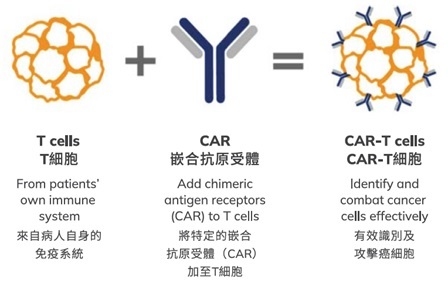
CAR-T cell therapy is a type of cancer treatment that uses the patient’s own immune cells to fight cancer. Through genetic modification, a chimeric antigen receptor (CAR) targeting a specific antigen on cancer cells is introduced to the patient’s own T-lymphocytes (T cells) to create CAR T cells. The genetically modified CAR-T cells are re-infused back to the patient’s body and help identify and combat cancer cells effectively.
How are CAR-T cells manufactured?
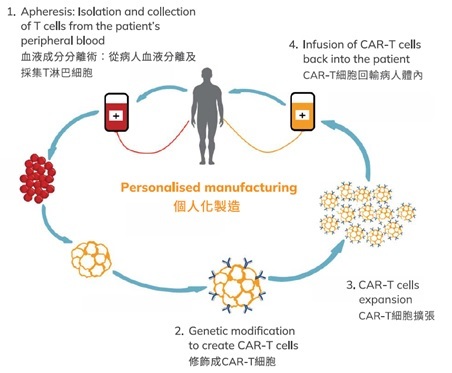
- Apheresis: Isolation and collection of T cells from the patient's peripheral blood
- Genetic modification to create CAR-T cells
- CAR-T cells expansion
- Infusion of CAR-T cells back into the patient CAR-T
Differences between CAR-T cell therapy and conventional cancer treatments
- Conventional cancer treatments often require multiple treatments over an extended period, imposing a significant physical, emotional and financial burden on patients
- CAR-T cell therapy uses genetically modified immune cells to recognise and target cancer cells more precisely
- CAR-T cell therapy generally involves a single infusion with a relatively shorter treatment course. However, patients still require assessment before treatment and close monitoring afterwards. A hospital stay of 14-28 days is needed for the whole treatment*
*The treatment schedule, duration of hospitalisation and post-treatment monitoring arrangements may vary according to the CAR-T product, the patient’s clinical condition and the treating team’s assessment. The individual schedule will be explained before treatment.
Conditions currently treated with CAR-T cell therapy
Including relapsed or refractory cases of the following diseases:
- Acute Lymphoblastic Leukaemia (ALL)
- Diffuse Large B-Cell Lymphoma (DLBCL)
- Follicular Lymphoma (FL)
- Mantle Cell Lymphoma (MCL)
- Multiple Myeloma (MM)
- Gastric / gastroesophageal junction adenocarcinoma (CLDN18.2-positive, HER2-negative, failed at least two prior lines of systemic therapy.)
Who may be suitable for CAR-T cell therapy?
- With adequate cardiac, pulmonary, and hepatic function
- Overall health condition is suitable for treatment
Who may not be suitable for CAR-T cell therapy?
- Women who are pregnant or breastfeeding, or individuals planning to become pregnant within the next six months
- With active infections, such as active hepatitis B infection
- With abnormal vital signs or who are unable to undergo the required examinations
- With psychiatric or psychological disorders precluding treatment and efficacy assessment
- With a history of hypersensitivity to any active ingredient of the CAR-T cell product
- With significant impairment of major organs such as the heart, lungs or brain.
Treatment process
Pre-treatment assessment
- The doctor will assess the patient's overall health and medical condition to determine whether CAR-T cell therapy is suitable and arrange the necessary tests and investigations.
Collection of T-lymphocytes from blood
- Collect T-lymphocytes (immune cells) from the patient’s peripheral blood through apheresis as the starting material for CAR-T cell manufacturing. The collected T-lymphocytes are then sent to a laboratory, where they are genetically modified to produce CAR-T cells.
Bridging therapy and lymphodepletion (while CAR-T cells are being manufactured)
- Depending on the patient's condition, the doctor may recommend bridging therapy (such as chemotherapy, targeted therapy, immunotherapy or radiotherapy) to help control the disease and relieve symptoms. More than seven days after the completion of bridging therapy, lymphodepletion is administered to reduce the number of lymphocytes in the body and minimise the risk of the infused CAR-T cells being eliminated by the immune system.
CAR-T cell infusion
- The patient will receive the CAR-T cell infusion one to two days after lymphodepleting chemotherapy, which is generally administered within seven days.
Post-treatment monitoring and long-term follow-up
- The timing of bridging therapy, lymphodepleting chemotherapy and CAR-T cell infusion will be determined according to the treatment protocol, product requirements and the patient's clinical condition. After discharge, patients will continue to attend regular follow-up appointments and undergo assessments to evaluate treatment outcomes and monitor their recovery progress.
Potential advantages
CAR-T cell therapy is generally administered as a one-time infusion. Following treatment, the CAR-T cells may continue to work in the body and, in some patients, can lead to durable remission, potentially reducing the need for repeated treatment cycles. Compared with prolonged courses of chemotherapy, CAR-T cell therapy may help avoid some of the cumulative toxicities associated with ongoing treatment, which may contribute to maintaining quality of life.
Patients require individual assessment, preparative treatment, close monitoring and long-term follow-up before and after CAR-T cell therapy. Treatment response, duration of benefit and potential side effects vary among patients and depend on factors such as the CAR-T product used and the disease being treated.
CAR-T cell therapy offers a highly targeted and innovative treatment approach for certain cancers. By modifying a patient’s T cells to recognise specific target antigens on cancer cells, CAR-T therapy provides an additional therapeutic option for eligible patients, including some whose disease has not responded adequately to previous treatments.
Personalised treatment approach
CAR-T is made from the patient’s own cells (autologous therapy). Doctors collect some of the patient’s immune cells, modify them in the laboratory so they can recognise the cancer, grow them in large numbers, and give them back. Because the cells come from the patient, the body is less likely to reject them.
Monitoring requirements
After the infusion, patients need to stay near the hospital for about a month. Monitoring includes vital signs, neurological assessment, blood counts, infection surveillance, and management of cytopenias or other reactions. Most reactions happen within the first two weeks and can be managed. Even after going home, regular follow-up is needed to check for infections and blood count problems.
Possible side effects and risks
The main acute risks are:
- Cytokine Release Syndrome (CRS), e.g. fever, hypotension, hypoxia)
- Immune Effector Cell-Associated Neurotoxicity Syndrome (ICANS), e.g. confusion, speech disturbance, seizures
Late complications (occurring >90 days after infusion) include:
- Cytopenias
- Infections
- Secondary malignancies
- Delayed neurotoxicity
Persistent B-cell aplasia can lead to hypogammaglobulinaemia requiring immunoglobulin replacement.
Infections remain a leading cause of non-relapse mortality in long-term survivors.